


This seminar will discuss supply chain resilience, whose importance is growing amid the expanding impacts of climate change, and the potential of Early Warning Systems (EWS) to support its realization. It will begin with an opening address by MOEJ, followed by an introduction of public-private partnership initiatives from representative companies of the EWS Initiative. The seminar will then proceed in two parts. Part 1 will feature (i) the sharing of field needs and innovation cases from governments and companies in developing countries, (ii) introduction of the latest technologies from Japanese private companies, (iii) sharing of insights on the potential for contributions in the agriculture and urban development sectors, and (iv) examination of the role of financial support. The panel discussion in Part 2 will incorporate perspectives and case studies from international organizations to discuss the prospects to accelerate public-private partnerships and strengthening supply chains through EWS utilization from multiple angles, while also outlining future potential and directions for cooperation.
Thu 13 Nov. 2025
Brazil time
10:00-11:15
Japan time
22:00-23:15
Advancing Resilient Supply Chains through EWS
Organizer : Ministry of the Environment, Japan
Co-organizer :
Abstract
Program
Opening Remarks
DOI Kentaro|Vice-Minister for Global Environmental Affairs, MOEJ
Public-Private Partnership EWS Initiatives
ABE Daisuke|Executive Officer, Sustainability Committee, Weathernews Inc.
Part 1 (Presentations)
TAHARA Yasumasa|Member of the Board of Directors, Managing Executive Officer, Development Bank of Japan Inc.
SATO Miki|Senior Director, GX Business Development Department, NEC Corporation
Suphat Phengphan| Environmentalist, Professional Level, Ministry of Natural Resources and Environment, Thailand
TAISHI Yusuke|Head of Climate Change Adaptation - Programming, United Nations Development Programme(UNDP)
Part 2 (Panel Discussion)
Esmyra Javier|Senior Climate Change Specialist (Climate Finance), Asian Development Bank
SUGIURA Natsuki|Assistant Director, Global Environmental Affairs Office, Ministry of Economy, Trade and Industry
SATO Miki|Ditto
TAHARA Yasumasa|Ditto
ABE Daisuke|Ditto
Nga Tran Thi Thanh|Head, Adaptation Division - Department of Climate Change, Ministry of Agriculture and Environment (MAE)
FUJINO Junichi (Moderator)|Principal Synergy Coordinator, Institute for Global Environmental Strategies (IGES)
Closing Remarks
MATSUDA Emiko|Deputy Director, Climate Change Observation Research Strategy Office, Global Environment Bureau, MOEJ
Session Summary
At the seminar, participants emphasized that ensuring Early Warning Systems (EWS) reaches the last mile in vulnerable countries and communities requires close cooperation between the public and private sectors. Such collaboration is essential for enhancing the versatility of EWS functions and strengthening resilience across the value chain.
Governments and international organizations were recognized as playing a key role in identifying the specific needs of affected regions and designing targeted responses. Their ability to convene major stakeholders is also vital for generating synergies and improving the effectiveness of collective action.
The private sector contributes by providing sustainable services tailored to local contexts and by viewing disaster risk reduction and business continuity management as strategic assets that enhance corporate value. Financial institutions were highlighted as particularly influential actors; beyond supplying capital, they can advance societal change through mechanisms that extend well beyond traditional financial assistance. Their active engagement is therefore essential to accelerating the broader transformation needed across societies.
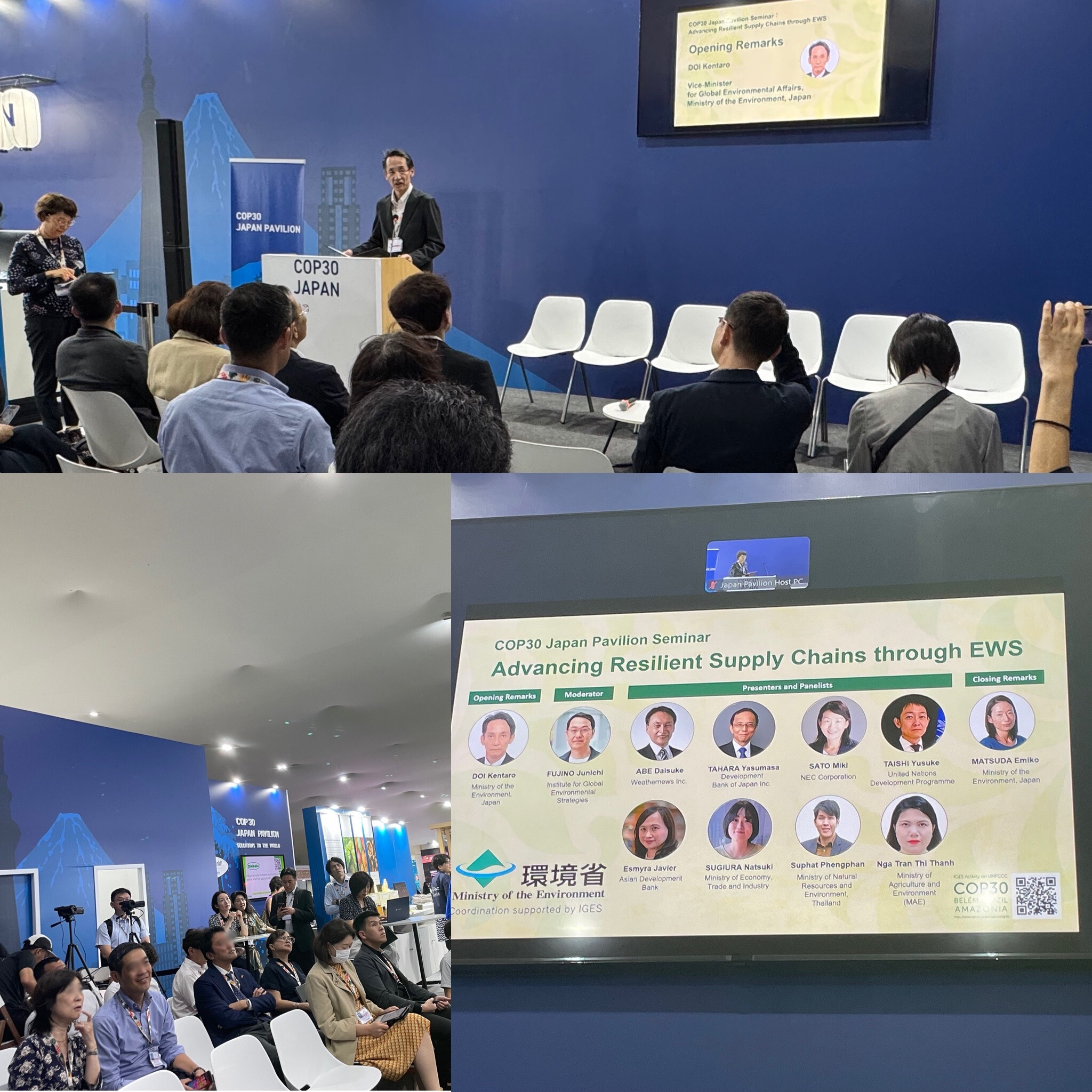
Scenes from the Seminar
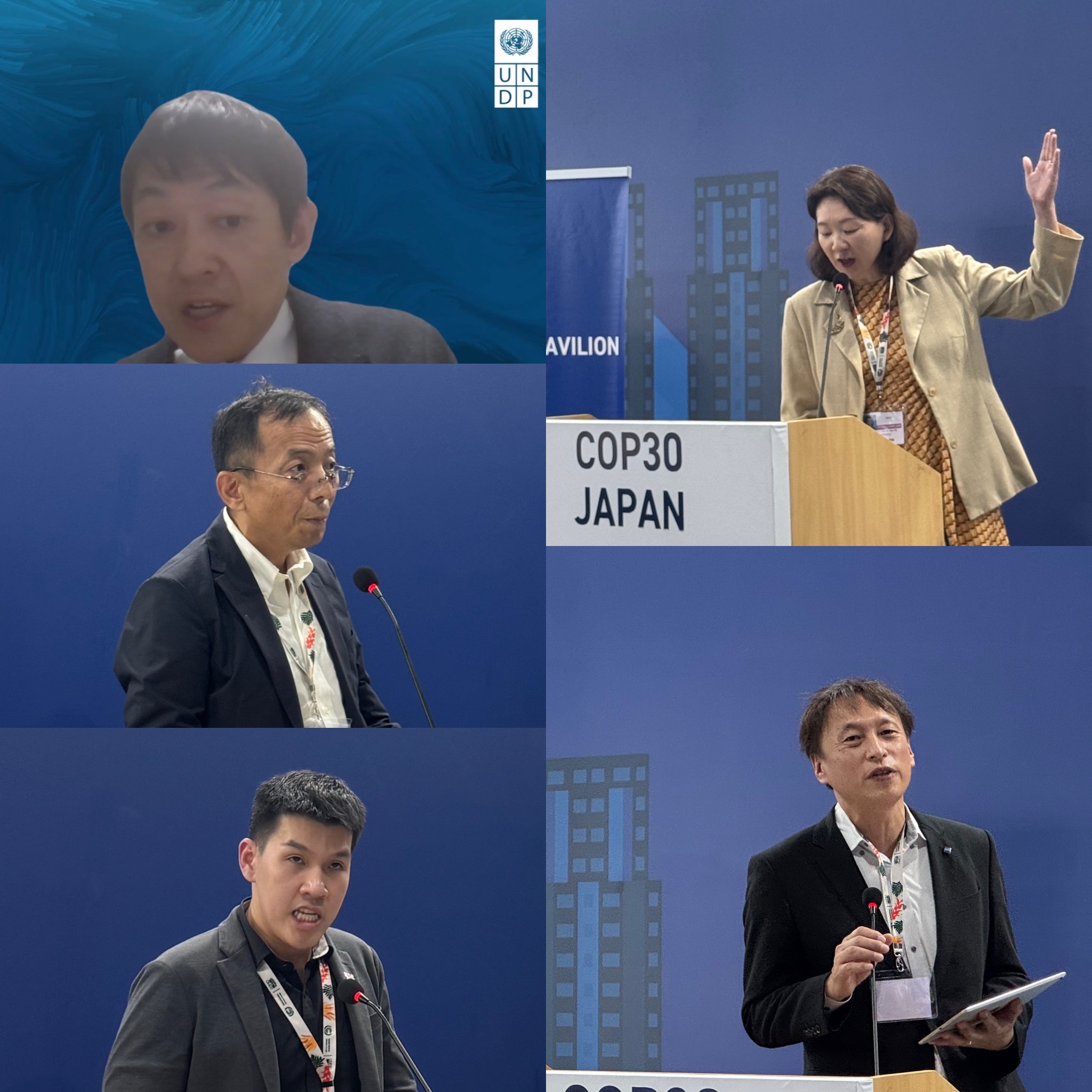
Speakers
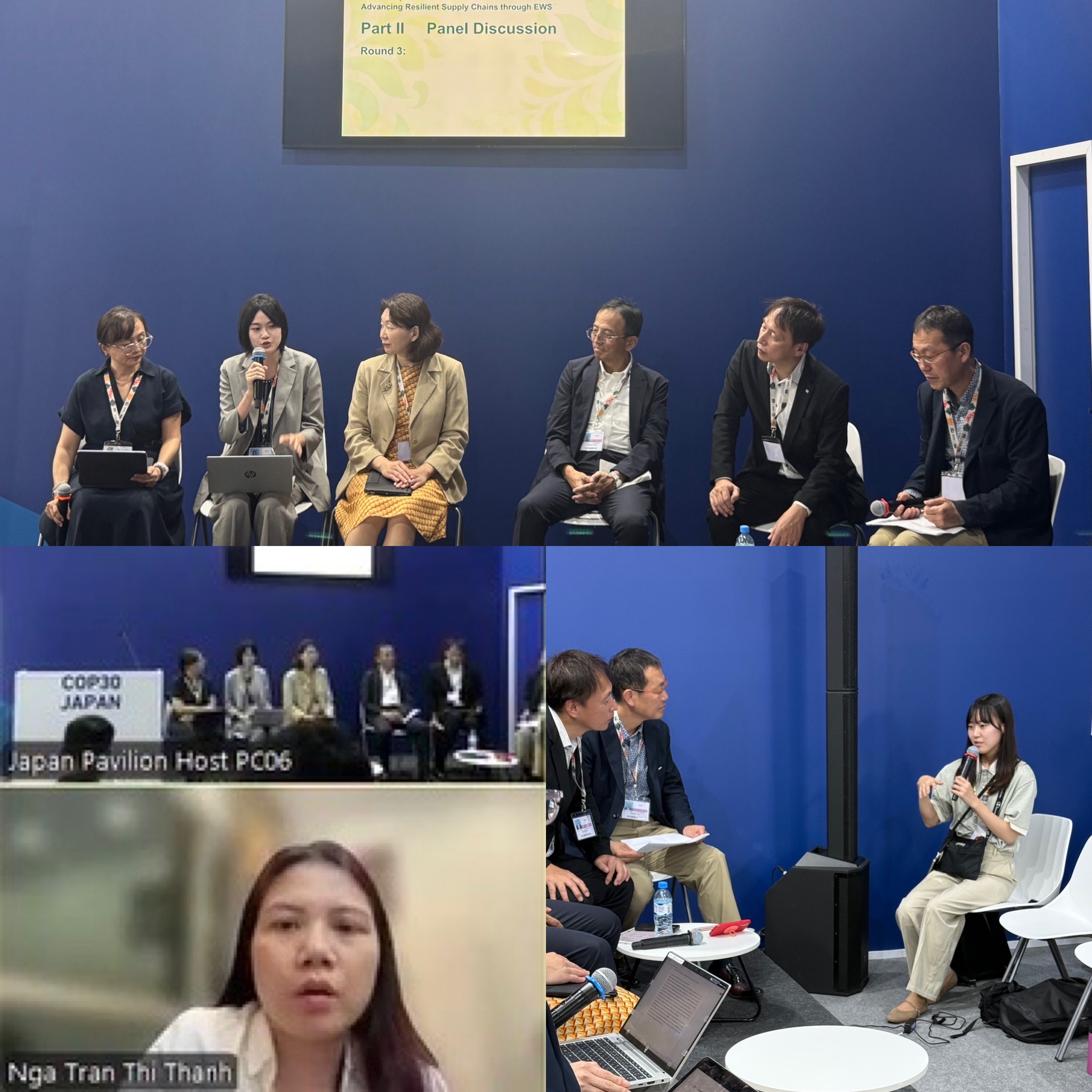
Panel, Q&A
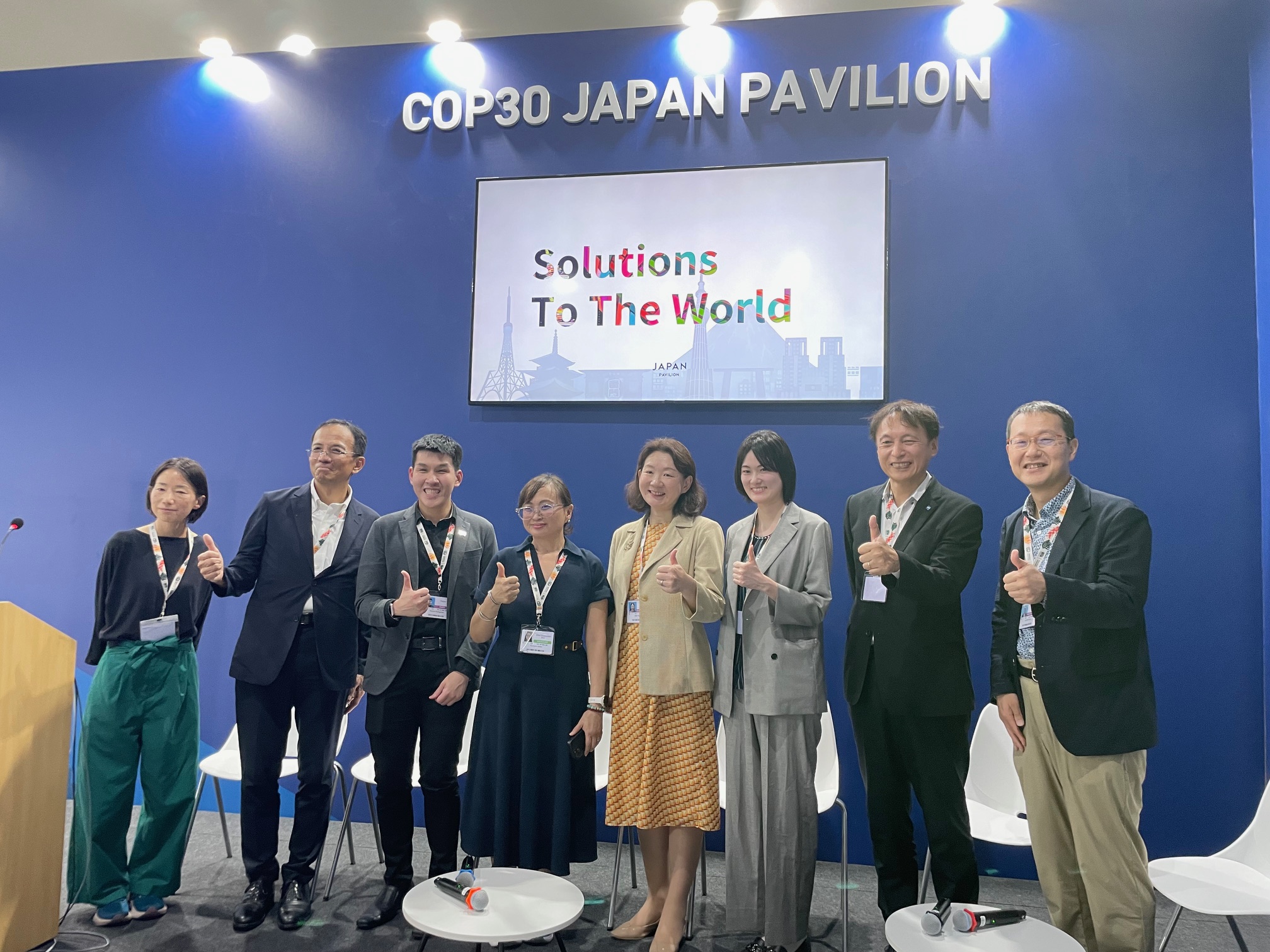
Group Photos with On-site Participants
